
Seal Coating Vs Resurfacing: Which Is Right for Your Asphalt Driveway
Confused about seal coating vs resurfacing? Learn the differences, benefits, lifespan, and when to use each option for your asphalt driveway or parking lot.
Most property owners face a decision at some point: should they seal coat their asphalt or resurface it? These are two completely different services that accomplish different goals. Understanding the difference helps you make the right choice for your specific situation. Seal coating is a preventive maintenance service. It protects existing asphalt from damage. Resurfacing is a repair service. It fixes damaged asphalt that seal coating can no longer protect. Think of it this way. Seal coating is like putting sunscreen on healthy skin. Resurfacing is like treating a severe sunburn. This guide explains what each service does, when you need each one, how long they last, and how to decide which is right for your property.
What Is Seal Coating
Seal coating is a liquid coating applied to asphalt surfaces. The coating seals the top layer, protecting it from damage. What does it protect against? The sun causes oxidation. This makes asphalt brittle and faded. Seal coating blocks the sun. Water seeps into cracks and causes internal damage. Seal coating prevents water penetration. Salt and chemicals damage the binder that holds asphalt together. Seal coating creates a barrier against these substances. How does it work? The contractor cleans your asphalt first. Then they apply the seal coating in a thin, even layer. The coating cures over 24 to 48 hours. Your driveway is ready to use after curing. How long does it last? Seal coating lasts two to three years. Then it needs reapplication. Some contractors recommend resealing annually in harsh climates like Michigan. What does it cost? Seal coating is affordable. It adds 200 to 400 dollars to most residential driveways. For commercial lots, expect 0.25 to 0.45 dollars per square foot. When should you seal coat? Apply seal coating within six to twelve months of new paving. This locks in the quality of fresh asphalt. Then reapply every two to three years as maintenance.
What Is Resurfacing
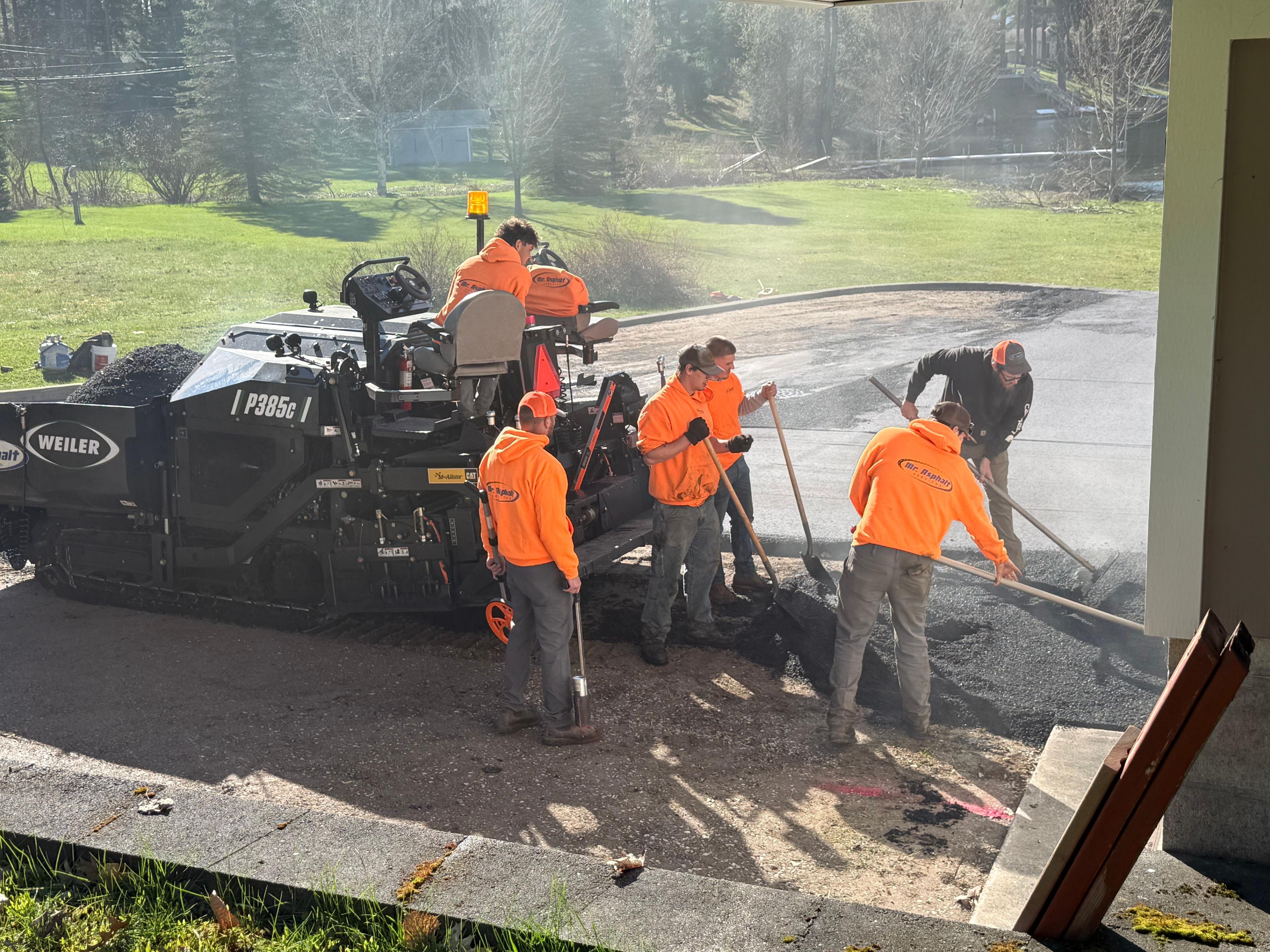
Resurfacing means removing the top layer of damaged asphalt and applying a new wearing surface. It's more intensive than seal coating. The process includes inspection of the existing base to ensure it's still sound. Removal of the top asphalt layer. Repair of any base damage found during inspection. Application of new asphalt material in layers. How much material is removed? Usually, two to three inches of asphalt is removed. This removes all the damaged surface layer. How long does it take? Resurfacing takes two to five days depending on size. Your asphalt must cure before full use. How long does it last? A new resurfaced layer lasts eight to twelve years with proper maintenance. This is significantly longer than seal coating. What does it cost? Resurfacing is more expensive than seal coating. It typically runs 2.00 to 4.00 dollars per square foot. When should you resurface? Resurface when seal coating alone cannot fix the problems. When your surface has significant cracking, fading, raveling, or potholes. When you have an overlay that is aging but the base is still solid.
Key Differences Between Seal Coating and Resurfacing
Seal coating protects healthy asphalt. Resurfacing repairs damaged asphalt. That's the fundamental difference. Seal coating costs less but only lasts two to three years. Resurfacing costs more but lasts eight to twelve years. Seal coating is preventive maintenance. Resurfacing is corrective repair. You seal coat regularly to prevent problems. You resurface to fix problems seal coating cannot address. Seal coating can be done any time your asphalt is dry. Resurfacing requires warm weather, typically between May and September. Seal coating your property is your choice. Resurfacing becomes necessary when damage is extensive.
How To Decide: Seal Coating Or Resurfacing
Look at your asphalt honestly. Is it healthy but faded? Seal coat it. Is it cracked and faded? It needs resurfacing. How old is your asphalt? If it's under five years old and in decent condition, seal coating maintains it. If it's ten years old or older and showing damage, resurfacing is probably necessary. Check for these signs seal coating is sufficient: the surface is faded or gray but not cracked. You see no potholes. Water does not pool on the surface. The edges are not crumbling. Cracks are hairline and few. Check for these signs resurfacing is needed: the surface has multiple cracks that form patterns. Potholes are visible. Whole sections are raveling (asphalt pieces coming loose). Water pools on the surface. The edges are crumbling. When in doubt, have a professional inspect your asphalt. Most contractors offer free inspections. They can tell you whether seal coating will extend your asphalt's life or whether resurfacing is necessary. T
he Maintenance Timeline Year one after new paving: Have seal coating applied at six to twelve months. This locks in the quality. Years two and three: Maintain the seal coat. Clean your asphalt. Address cracks immediately. Year four: Assess your asphalt condition. Is it still protected? Does it need resealing? Years four to six: Depending on condition and climate, you may need resurfacing or another seal coat. Years seven to ten: If you maintained your asphalt properly, you may still have years left. If you neglected it, resurfacing becomes necessary. Years ten plus: Most asphalt needs resurfacing or replacement around ten years. With excellent maintenance, some last fifteen years.
Why Contractors Recommend Seal Coating
Contractors push seal coating because it works. A seal coated asphalt surface lasts significantly longer than unsealed asphalt. The numbers prove it. Unsealed asphalt typically fails in eight to twelve years. Seal coated asphalt with proper maintenance lasts fifteen to twenty years. That extra five to eight years of life represents thousands of dollars in savings. Is there a financial incentive for contractors to recommend seal coating? Yes. They make money from seal coating jobs. But they also make money from resurfacing and replacement jobs. A good contractor would rather have your repeat seal coating business over time than your larger but one-time resurfacing job. Common Mistakes to Avoid Do not skip seal coating to save money now. You will pay more later when resurfacing becomes necessary. Do not think seal coating fixes cracked asphalt. It protects against new damage but does not heal existing cracks. Fill cracks before seal coating. Do not try to seal coat severely damaged asphalt. Seal coating only works on surfaces that are mostly healthy. Do not delay resurfacing when it becomes necessary. Damaged asphalt deteriorates quickly. Small problems become major problems fast. Do not seal coat every year thinking more is better. Two coatings is generally the right frequency.
Combining Both Services
Many properties benefit from combining seal coating and resurfacing. Scenario one: Your asphalt is new. Seal coat it within the first year. Then seal coat every two to three years for the first ten years. Scenario two: Your asphalt is five to eight years old and shows some damage. Resurface it. Then seal coat the new surface at six to twelve months. Then maintain with seal coating every two to three years. Scenario three: Your asphalt is ten to fifteen years old and well-maintained. Seal coating might extend it another few years. But resurfacing is probably necessary. The best approach is preventive maintenance combined with repair when necessary. This combination keeps your asphalt in good condition for the longest possible time.
What Property Owners Really Want
Ultimately, property owners want asphalt that lasts. They want to avoid expensive repairs. They want their driveways and parking lots to look professional. Seal coating achieves this when applied regularly on healthy asphalt. It prevents problems and maintains appearance. Resurfacing is necessary when seal coating can no longer protect deteriorating asphalt. It fixes problems and extends the life of your pavement. Neither service is wasteful if applied at the right time. Seal coating is not a waste if your asphalt is still healthy. Resurfacing is not a waste if your asphalt has reached the end of its life.
Making Your Decision
Get a professional inspection. Ask the contractor which service your asphalt needs. Ask them why. A good contractor explains their recommendation. If they recommend seal coating, your asphalt is still healthy. Protect it with regular seal coating. Then resurface in five to seven years. If they recommend resurfacing, your asphalt needs it. Budget for resurfacing now. Then maintain the new surface with seal coating every two to three years. If you are unsure, seal coating is the safer choice. It extends life without committing to the expense of resurfacing. You can always resurface later if needed.
Final Thoughts
Seal coating and resurfacing serve different purposes. Seal coating is preventive maintenance. Resurfacing is corrective repair. Using them together creates a maintenance program that keeps asphalt strong. Regular seal coating prevents problems. Timely resurfacing fixes unavoidable damage. A property owner with this strategy enjoys asphalt that lasts longer, looks better, and costs less to maintain over time. Confused about whether your asphalt needs seal coating or resurfacing?